


Behind every facility powering AI and related technology is a set of technical roles many employers have not yet planned for. These roles include technicians who manage power systems, control building environments, and maintain the physical connectivity infrastructure that holds everything together.
This critical facilities workforce sits at the intersection of skilled trades and tech. For business owners and employers building or operating data center infrastructure, understanding these roles is the first step to building a sustainable talent strategy that keeps your systems online.
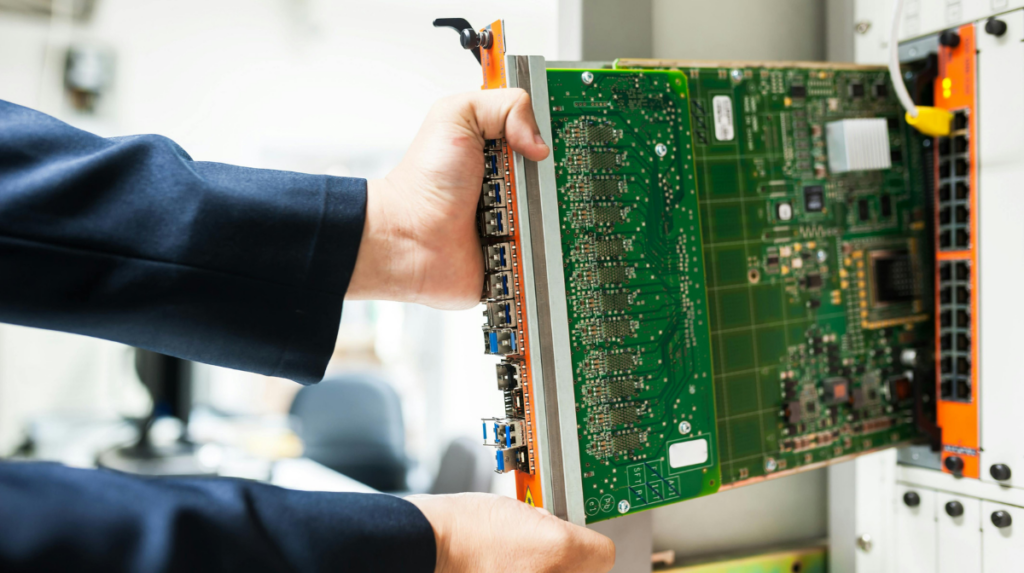
AI Infrastructure Runs on More Than Software
For data centers to remain operational day in and day out, there are critical infrastructure technicians keeping power, cooling, cabling, and systems up and running.
These roles overlap with both skilled trades and modern technology positions. However, they don’t map cleanly onto the exact requirements and specifications for IT or traditional trades hiring. That gap is why these positions are often absent from mainstream workforce conversations. Even among those who recognize the need for these roles, the gap can be hard to fill.
Keeping Centers Up and Running
Securing 24/7 uptime requires technicians who can manage power, cooling, and security systems. These individuals combine physical trades knowledge with real-time digital monitoring fluency.
The title varies by employer. Microsoft refers to these workers as Critical Environment Technicians, while Google calls them IT Data Center Facilities Technicians.
Regardless of the official title, these are some of the core responsibilities:
- Monitoring power and cooling systems
- Responding to alarms
- Executing maintenance procedures
- Managing shift handoffs
As Microsoft states, the primary responsibility of a Critical Environment Technician is to ensure the safety and reliability of the facility’s physical infrastructure. From equipment maintenance to troubleshooting issues, the goal is to prevent outages and safeguard cloud services and digital infrastructure.
This role does not require a traditional four-year degree. Instead, employers hire based on certifications, technical training, and apprenticeships. After all, these roles are rooted in the data center skilled trades, including electrical, HVAC, mechanical, controls, and facilities operations.
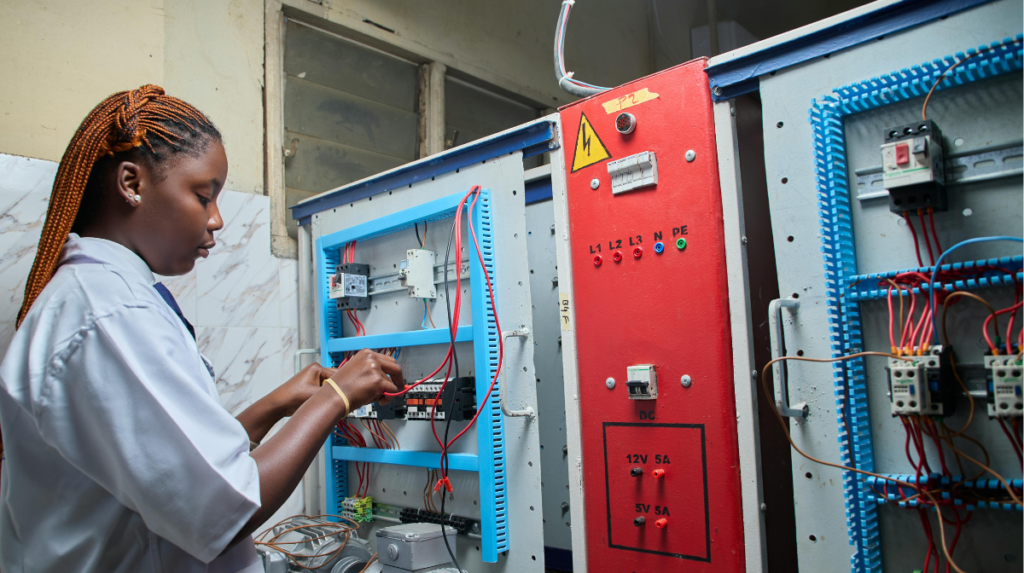
Controlling the Environment
Building Automation Specialists manage the systems that control temperature, humidity, airflow, energy, and access across a data center. This role combines knowledge of HVAC, electrical, and IT systems.
Like the critical facilities, this role doesn’t fit a traditional tech or trades profile, making it underrepresented in data center workforce planning. In a data center, where temperature and humidity directly affect equipment reliability, building automation work is tied directly to uptime.
Wiring It Together
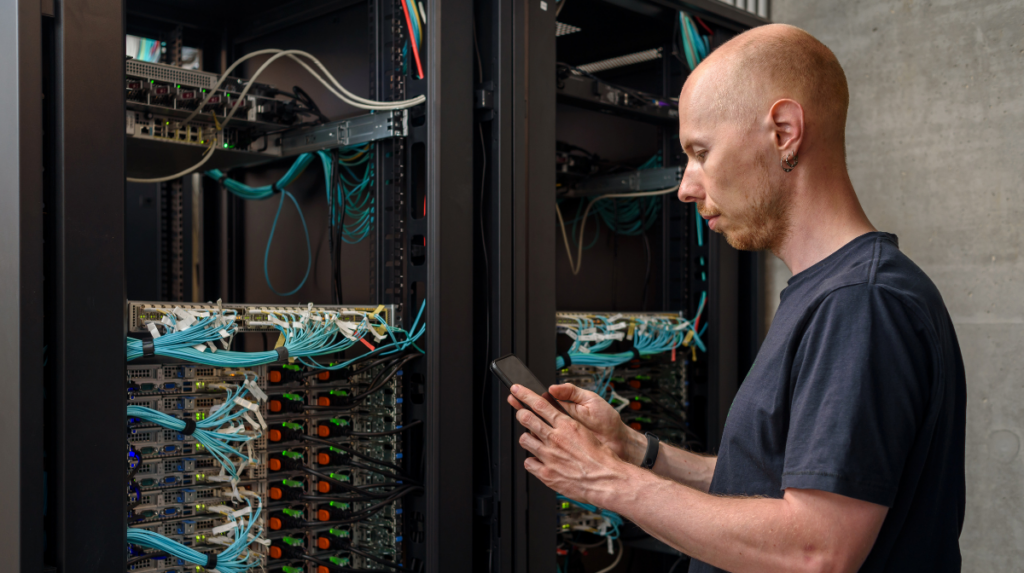
Data shows that 3,069 data centers are already operating in the United States, with an additional 1,489 planned or under construction. These centers and prospective builds require infrastructure maintenance and skills to drive new construction. One necessary role is that of a Low Voltage Technician. These individuals install, terminate, test, and maintain the structured cabling that connects servers, switches, and storage devices.
Without these technicians, there would be no physical connectivity that the network traffic requires. These technicians work with copper, fiber, and coaxial cable and possess the skills necessary for physical installation. This physical skill set is combined with knowledge of network standards, testing tools, and documentation systems.
No Facility Goes Live Without Them
Each of these roles impacts the success of data centers across three distinct phases: build, commission, and operate. All three have to be staffed before a facility can go live.
The demand for these roles is immediate. Companies like Amazon, Google, and Microsoft are currently developing over 400 data centers, resulting in construction backlogs and skilled trade shortages.
Per Scholas Is Building Pipelines Into These Roles
Per Scholas trains for all three of these roles through its Critical Infrastructure and Skilled Trades domain, working directly with employers to build pipelines into the hardest-to-fill positions through traditional hiring.
Programs include Critical Facility Technician with AI, Building Automation Specialist with AI, and Low Voltage Telecom, each aligned to real operational workflows and employer-defined skill requirements.
For employers building or operating data center infrastructure, that is where the conversation starts. If your team is navigating this gap, let’s chat.