


The one thing not keeping pace? The technician workforce needed to run these advanced facilities.
These seven signals show how quickly the talent gap is widening and what it will take to close it.
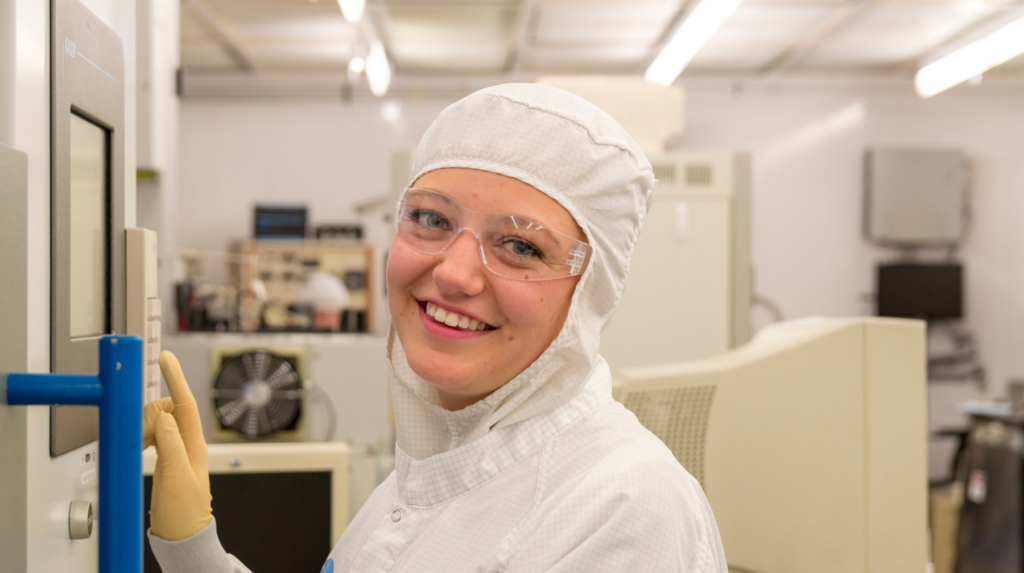
1. $600B+ in semiconductor projects across 28 states
Since 2020, companies have announced more than 130 projects that will create or support over 500,000 jobs (SIA, 2025). The buildout is massive. Workforce pipelines are not scaling at the same rate.
2. 76,000 semiconductor roles unfilled
The national labor shortage has nearly doubled since 2024 (Accenture, 2025). This gap spans technician, operator, and maintenance roles — the core positions needed to keep fabs online. With new facilities ramping up simultaneously across multiple regions, the shortage is already constraining production.
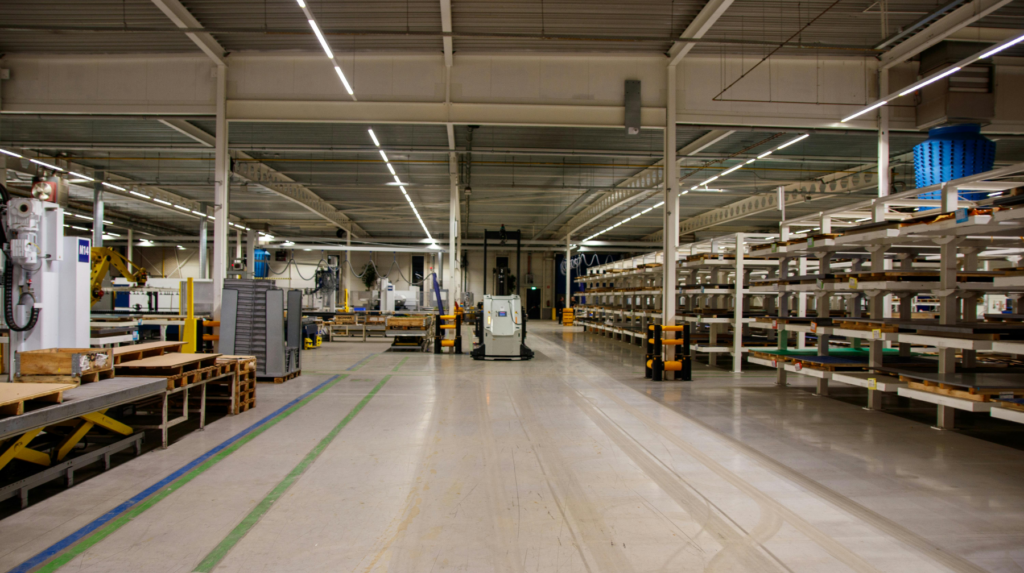
3. The shortage could reach 153,000 roles by 2035
Even if the talent pipeline grows by 20 to 25 percent, demand will still outstrip supply. Accenture projects the gap widening from 127,000 to 153,000 unfilled roles over the next decade as more fabs move from construction to active production. Without a scalable training model, these roles will remain open just as output needs rise.
4. 39% of the shortage comes from technician roles
Maintenance technicians, process technicians, equipment operators, and materials handlers represent the largest share of the gap (SIA, 2023). These roles are the backbone of fab operations. Without them, investment cannot translate into production.
5. Modern fabs need 1,000+ workers to operate 24/7
Even with extensive automation, advanced semiconductor facilities rely on hundreds, and in some cases, 1,000+ engineers and technicians to keep multimillion-dollar tools running around the clock (CSIS).
These roles span equipment maintenance, process control, yield optimization, materials handling, and production support, and most of them are technician positions.
As multiple fabs come online across CHIPS regions at the same time, the demand for technician talent is rising far faster than regional programs can produce job-ready workers.

6. Regional training alone cannot meet demand
State and community-college programs are important, but they’re not built for nationwide semiconductor growth. Curricula vary widely, transferability is limited, and training timelines often lag far behind fab and ramp-up construction schedules.
The Institute for Networked Communities warns that CHIPS regions “cannot be addressed with a patchwork of disjointed programs,” urging the creation of a national semiconductor learning network capable of supporting consistent workforce development across markets.
7. Federal CHIPS funding is prioritizing employer-led models
NIST, CHIPS for America, and the Department of Education are steering workforce strategy toward employer-driven intermediaries, digital-twin–enabled training, and scalable national models.
This momentum reflects a broader shift toward workforce solutions that connect employers directly to job-ready talent, enabling them to scale across regions at the pace the industry requires.

A workforce partner built for this moment
These seven signals all point to one reality: the semiconductor buildout is moving faster than America’s technician workforce. Employers have a rare opportunity to make the most of this moment. But only with pipelines that are aligned to real fab roles, fast to launch, and consistent across regions.
Per Scholas operates a national, employer-driven training model that has been applied across complex technical domains and is well aligned with the workforce challenges now emerging in advanced manufacturing.
With more than 30,000 technologists trained across 25+ campuses, Per Scholas brings experience designing and scaling training programs that connect employers to skilled talent across multiple regions.
Employer-co-developed training aligned to real operational roles
We build curricula alongside industry partners so our learners are trained for the equipment, processes, and skills employers need today and as operations evolve.
Proven national recruitment and cohort launch model
With 25 campuses nationwide, Per Scholas brings a strong recruitment engine and cohort-based training model designed to support employers operating in multiple regions who need workforce approaches that balance scale with local context.
Proven outcomes across employer partners
Our employer partners see stronger retention and more stable teams over time, helping reduce the cost and disruption associated with chronic turnover.
30–50% higher retention among employer partners
Our graduates stay longer, helping stabilize technician teams and reduce turnover costs.
If your CHIPS investment is outpacing your talent pipeline, connect with Per Scholas to explore how employer-led, nationally scalable training models can support your semiconductor workforce strategy.